
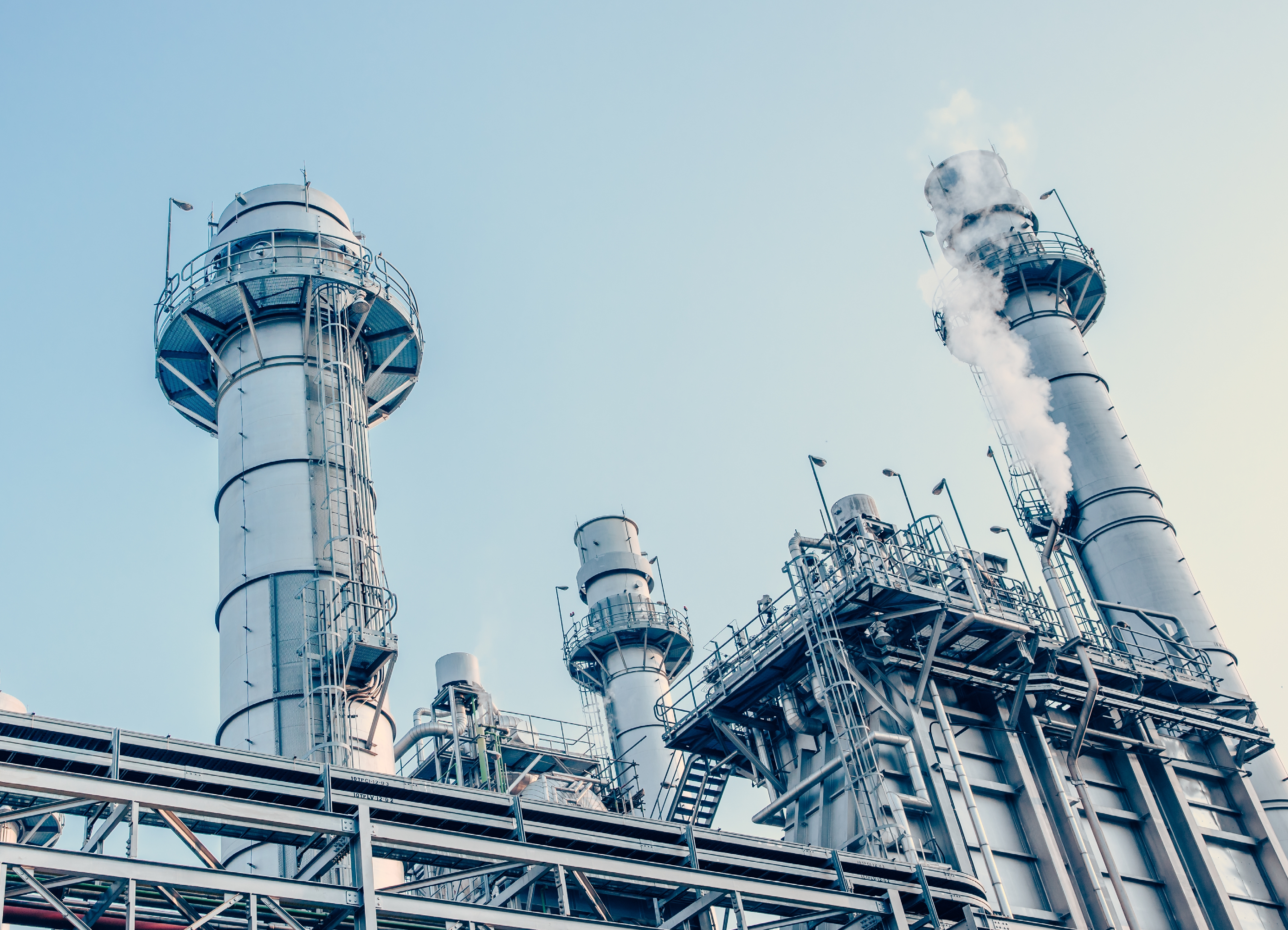
Built for Uptime in Harsh Process Environments
- Heavy-duty construction options and corrosion-resistant materials that maximize service life in aggressive industrial environments
- Factory-engineered access and maintainability features that reduce inspection time and simplify maintenance
- Stable performance at high heat loads and across wide operating ranges
- Modular, multi-cell configurations to support redundancy and maintenance without shutdowns
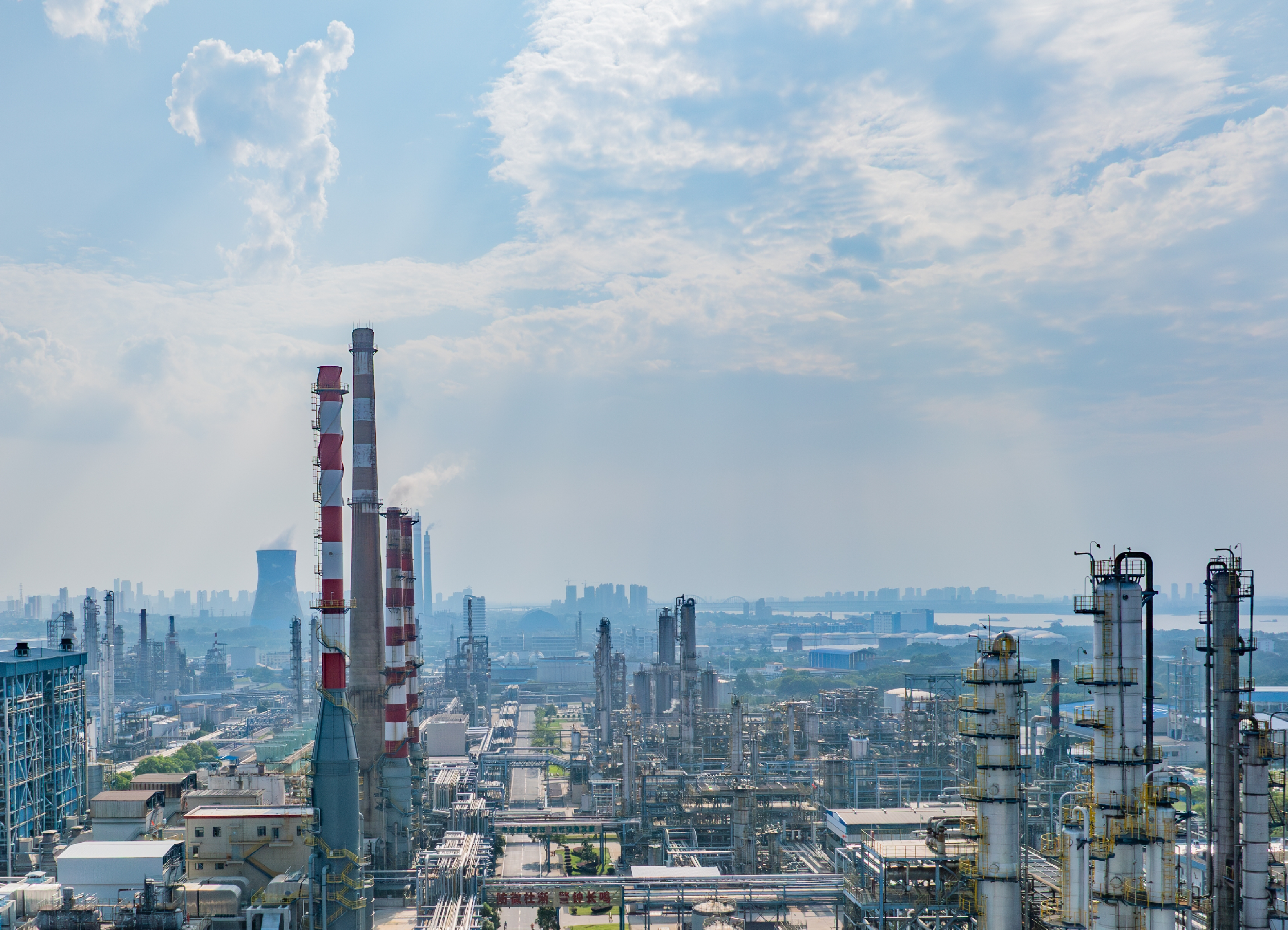
Control Fouling, Scaling, and Water/Energy Costs
- High-efficiency evaporative heat rejection to reduce power consumption versus air-cooled alternatives in many applications
- Closed loop designs that isolate process fluids and reduce contamination risk where needed
- Flexible approaches for water conservation and improved cycle management (application dependent)
- Multi-cell sequencing and variable-speed fan strategies for part-load efficiency and resiliency
How Our Products Support You
-
Series 3000 Cooling Tower
-
FXV/FXV3 Closed Circuit Cooling Tower
-
HXV Hybrid Cooler
Series 3000 Cooling Tower
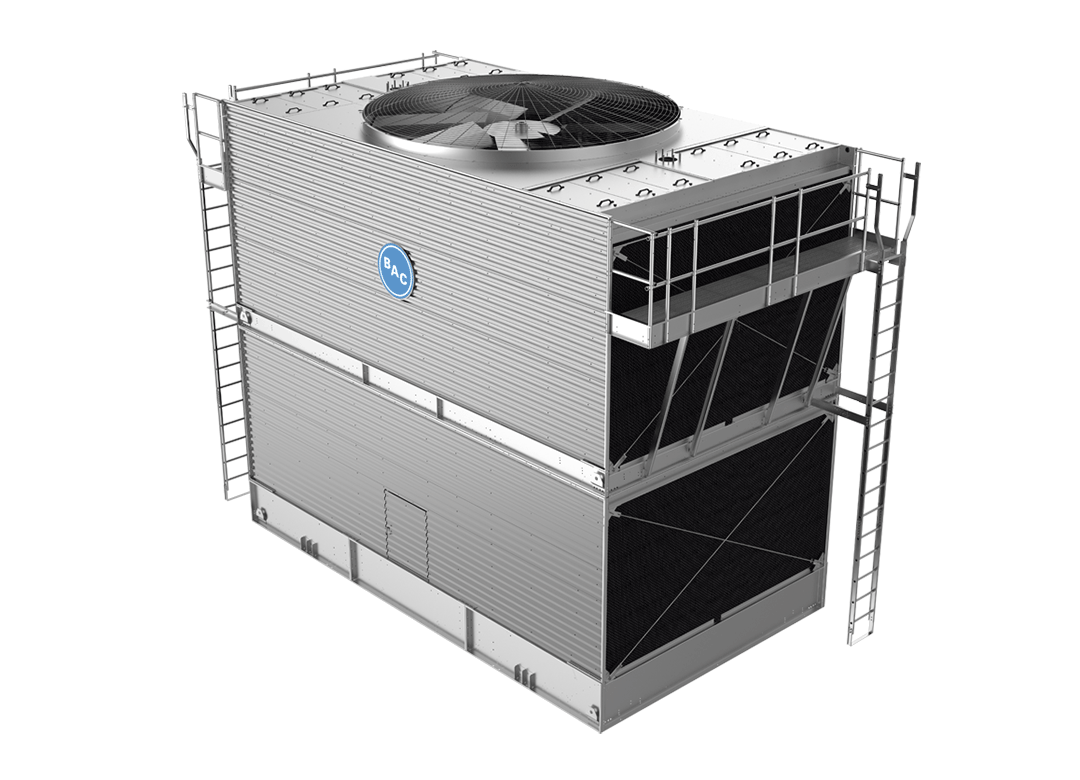
Series 3000 Cooling Tower
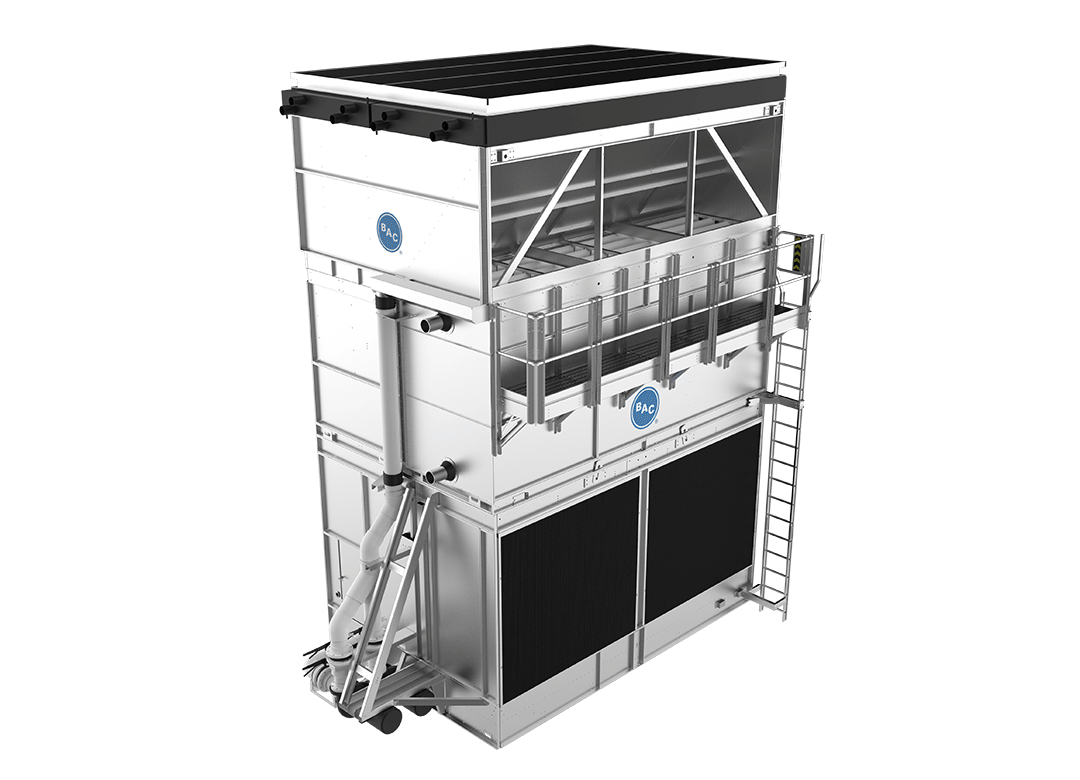
For large cooling water systems where high capacity, efficiency, and long service life are essential, BAC’s Series 3000 open cooling tower supports demanding process loads and continuous operation.
- Proven performance for high-capacity, industrial cooling water duty
- Scalable multi-cell configurations for redundancy and phased expansions
- Efficient axial fan options to reduce operating energy
- Designed to support ease of maintainability required in heavy-use industrial environments
FXV/FXV3 Closed Circuit Cooling Tower
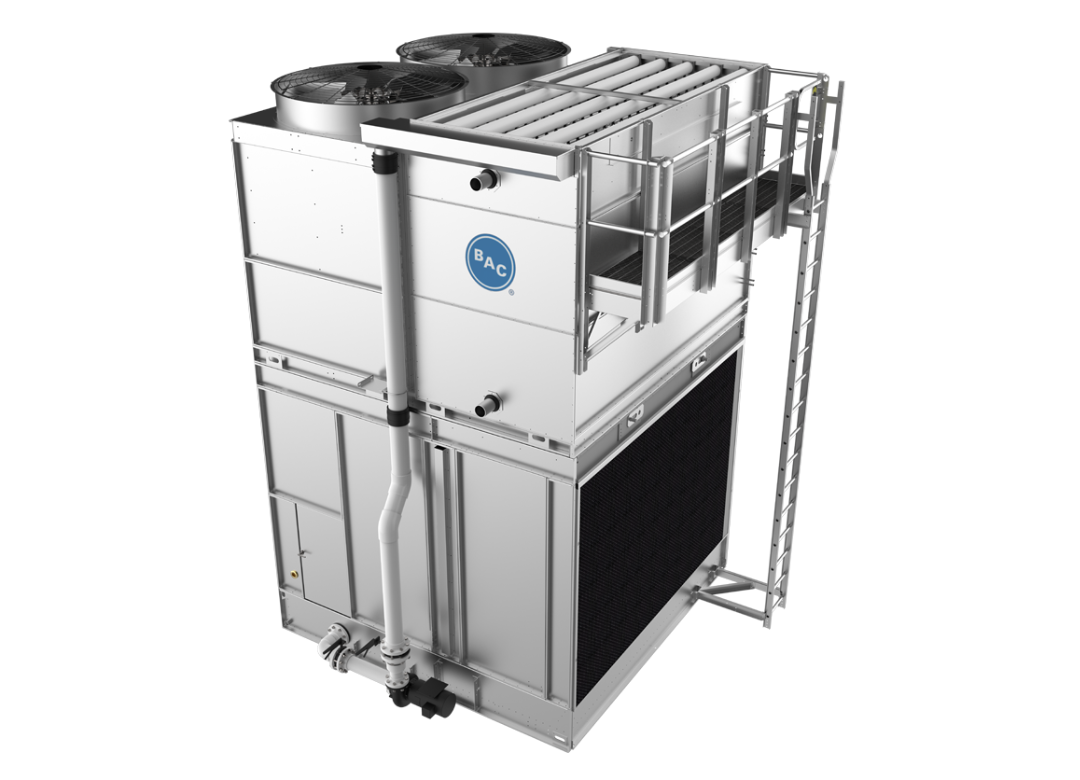
HXV Hybrid Cooler
Frequently Asked Questions about Cooling in Chemical and Petrochemical Facilities
- What cooling equipment is best for chemical and petrochemical plants?
The right solution depends on the application—cooling water, process cooling, or refrigeration condensing—and the site’s water quality, ambient conditions, redundancy requirements, and maintenance strategy. BAC offers open cooling towers, closed-circuit cooling towers, fluid coolers, and evaporative condensers engineered for industrial duty.
- How do chemical plants reduce downtime caused by cooling system issues?
Plants typically reduce risk through redundancy (multi-cell designs), predictable thermal performance, maintenance-friendly access, and selecting designs that minimize fouling and corrosion based on water chemistry and site environment. Closed loop systems are often used where isolating fluids improves reliability.
- When should a closed-circuit tower (closed loop) be used instead of an open cooling tower?
Closed loop designs are commonly selected when protecting process fluid quality matters, when contamination risk is high, when glycol is required, or when maintenance and scaling concerns drive the need for isolating the primary loop from the environment.
- How can petrochemical refrigeration systems improve efficiency at the condenser?
Lowering condensing temperature reduces compressor lift and can significantly reduce energy consumption. Evaporative condensers often support lower condensing temperatures than air-cooled alternatives in many climates—improving energy performance and potentially stabilizing capacity during high ambient conditions.
- What are common causes of poor cooling tower performance in industrial plants?
Common drivers include scaling/fouling, airflow restrictions, drift eliminator issues, poor water treatment alignment, fill degradation, or operating outside design conditions. Selecting equipment matched to water chemistry and maintaining a proactive inspection and treatment plan helps sustain performance.
- How do plants balance water use and energy efficiency?
Many sites optimize using a combination of appropriate system selection (open vs. closed loop), operating strategies (fan control, cell staging), and water management practices aligned with local constraints and treatment programs. BAC solutions support a range of approaches depending on plant goals for water and energy.