
Modular Cooling vs. Field-Erected Cooling Towers: A Smarter Path for Large-Scale Cooling
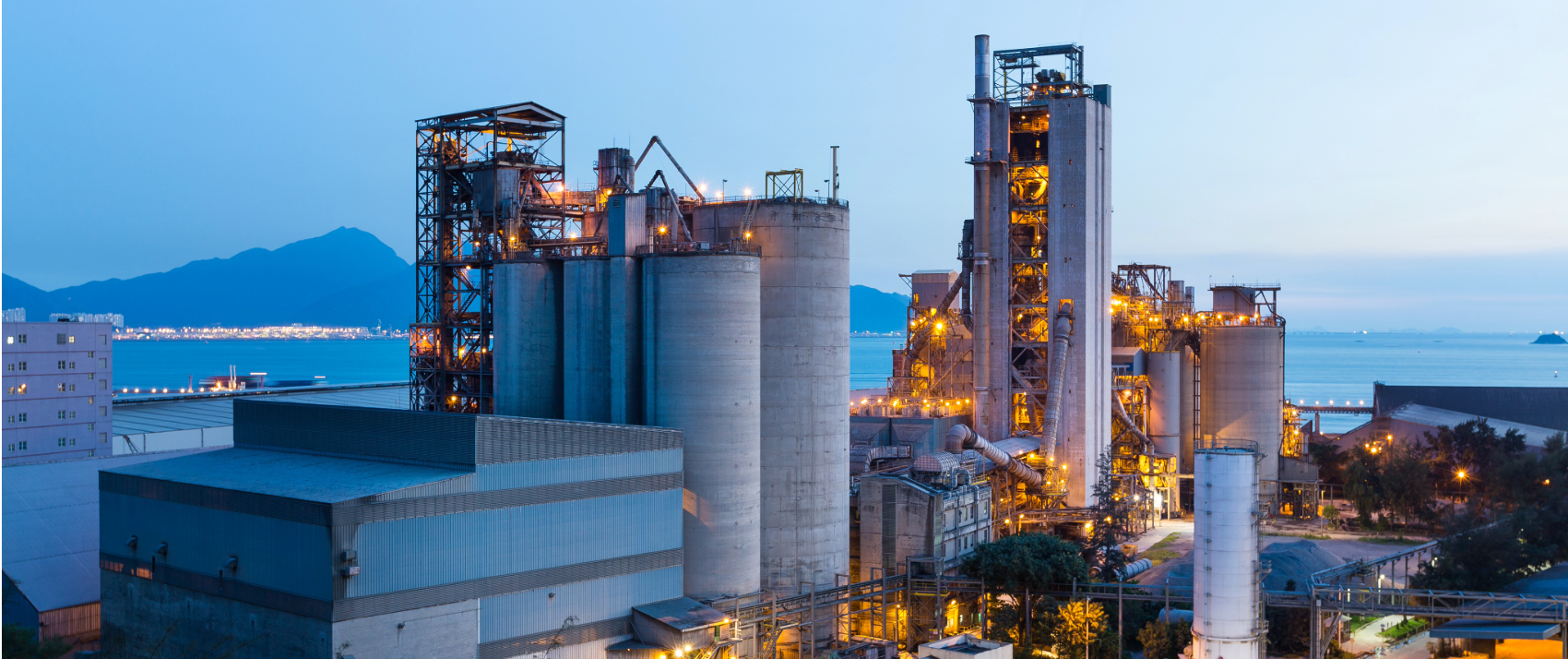
Industrial and manufacturing facilities depend on reliable process cooling to keep production moving. For decades, many large facilities have relied on field-erected cooling towers for high-capacity heat rejection. These towers are custom designed and built on site by skilled trades. As plants modernize aging infrastructure, expand production, and look for ways to reduce downtime, they are evaluating cooling strategies that can reduce project complexity while protecting operations.
For many facilities, the decision is no longer based on cooling capacity per unit alone. Project execution, installation complexity, maintenance access, future expansion, and safety are all becoming important factors when evaluating cooling tower replacement or expansion strategies. Modular, factory-assembled cooling equipment can provide a practical path forward for facilities looking to modernize cooling infrastructure without the complexity of a fully site-built project.
What Are Field-Erected Cooling Towers?
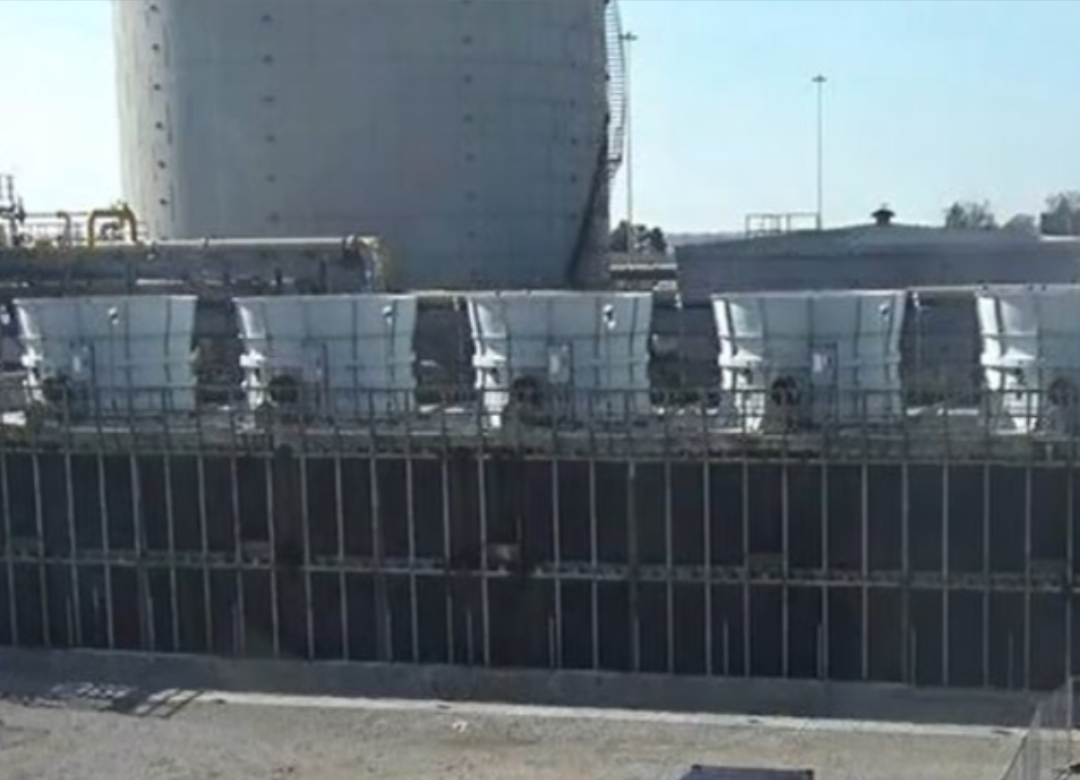
Field-erected cooling towers are built at the jobsite, typically for large or highly customized heat rejection applications. They are often constructed over a concrete collection basin and require laydown space, site coordination, skilled labor, and extensive field assembly.
Because each field-erected tower is custom-built to the site, replacement or expansion can be more complex than repeating a standard factory-built approach. Future additions may require another custom design, additional site work, and careful coordination to avoid fit up or schedule issues.
For production-sensitive facilities, field-erected cooling towers can introduce challenges related to longer construction schedules, weather and site conditions, onsite labor coordination, safety exposure, outage planning, maintenance access, lifecycle cost, and production risk during replacement.
What Is Modular Cooling Equipment?
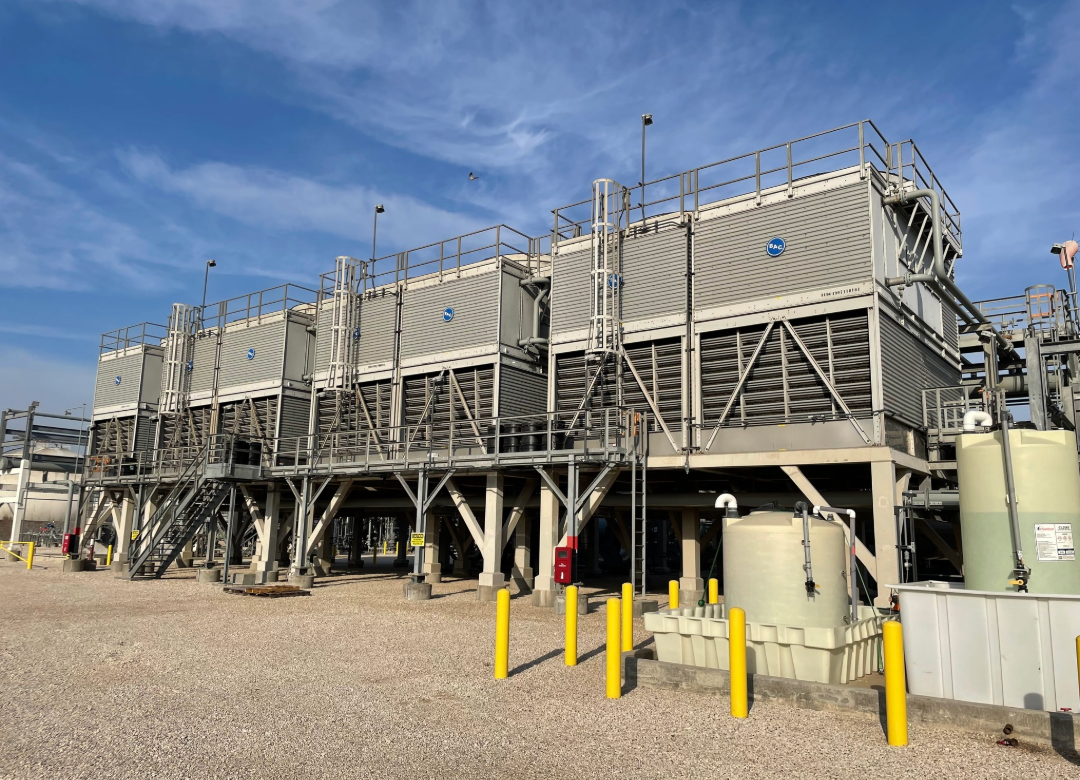
Modular cooling equipment is factory-assembled and shipped to the jobsite in preassembled sections or modules. At the facility, those modules are rigged and commissioned, reducing the amount of work that must be completed in the field.
For large-scale cooling applications, modular solutions may include open cooling towers, closed circuit cooling towers, hybrid coolers, adiabatic coolers, or dry coolers designed for demanding operating conditions.
This approach is especially valuable when cooling outages must be scheduled around production demands. By shifting more construction from the field to the factory, modular cooling equipment can reduce onsite labor, shorten installation windows, and limit schedule risk on large construction projects. Replacement parts are also more readily accessible and easier to replace compared to field-erected units.
Why Facilities Are Reconsidering Field-Erected Cooling Towers
Facilities need cooling systems that do more than meet design conditions. They need equipment that supports uptime, maintenance access, future expansion, and predictable project execution without adding unnecessary construction complexity.
In high-output environments, downtime can be extremely costly. Cooling tower replacements often need to happen during planned outages, seasonal shutdowns, or narrow windows when cooling demand is lower. If construction runs longer than expected, the consequences can affect production schedules, maintenance plans, and plant operations.
That is why many facility managers are evaluating modular cooling equipment as a practical alternative to rebuilding field-erected towers in place, or as a way to add capacity alongside existing field-erected systems.
A modular approach can reduce the amount of active construction required on site, accelerate installation, and provide a more predictable path for replacing or supplementing aging cooling infrastructure.
Key Advantages of Modular Cooling Equipment
1. Faster Installation and Reduced Downtime
Modular cooling systems are designed to reduce the amount of work performed at the job site. Because key components arrive preassembled, installation can focus on placement, connection, integration, and commissioning rather than full tower construction.
For facilities, this can help keep replacement projects aligned with scheduled outages and reduce the risk that cooling system work interferes with production. In production-sensitive environments such as primary metals, automotive manufacturing, chemical processing, and other heavy industrial facilities, shorter installation windows help limit disruption.
In one automotive manufacturing replacement project, BAC Series 3000 cooling tower modules were installed in only four days, compared with the two to three months typically required to assemble field-erected cooling towers.
2. Lower Project Risk
Industrial and manufacturing jobsites can be difficult places to execute major cooling projects. Crane access, contractor scheduling, confined work areas, material deliveries, safety requirements, and active production constraints can all affect project timing.
Modular cooling equipment helps reduce project risk by moving the majority of the construction into a controlled manufacturing environment. With less work required in the field, project teams can reduce exposure to weather delays, labor availability challenges, and site coordination issues.
Because modular equipment is factory-assembled rather than built on site, it also reduces the facility's exposure to onsite construction risk, including much of the environmental, health, and safety (EHS) exposure that comes with a major site-built project. This turns what would be months of active construction into a faster, safer installation. Instead of months of construction near production areas, modular units can often be rigged and commissioned in a matter of days. That speed is driving a growing shift toward modular over field-erected cooling, particularly for projects on tight timelines, such as facilities racing to meet CHIPS Act funding deadlines or data centers where speed to operation is critical.
For facilities replacing aging field-erected towers, this can make planning, execution, and startup more manageable.
3. Factory-Controlled Quality
Because modular cooling equipment is manufactured in a factory-controlled environment, components can be assembled and checked before they reach the jobsite. This supports consistent fit, finish, materials, and performance.
For operators, that consistency matters because cooling equipment often supports production-critical systems. Reliable heat rejection is essential to uptime, process stability, equipment protection, and long-term operational performance.
A factory-built modular approach helps reduce variability compared with equipment assembled entirely in the field under changing site conditions. It also gives facilities access to premium materials of construction, such as BAC’s TriArmor® corrosion protection system and stainless steel options, which can provide enhanced corrosion resistance for demanding evaporative cooling applications. For harsh environments, corrosion-resistant materials can help support long-term reliability, reduce maintenance concerns, and protect production-critical cooling equipment.
4. Scalable Capacity and Phased Expansion
Production needs change over time. A facility may add a new production line, increase process capacity, modernize equipment, or phase in upgrades over several years.
Modular cooling equipment gives facilities a flexible path to growth. Capacity can often be added incrementally, helping operators align capital investment with actual production needs. Modular design also supports phased installation, allowing facilities to add cooling capacity over time rather than committing to one large construction project.
Multi-cell modular cooling systems can also support built-in redundancy and operational flexibility. This helps facilities maintain cooling availability during maintenance or changing load conditions, which is especially important for continuous or high-volume operations.
That flexibility makes modular cooling especially valuable for facilities that need to plan not only for today’s cooling load, but also for future expansion.
5. Easier Maintenance and Service Access
Maintenance access is a major consideration in any cooling application. Equipment that is difficult to inspect, clean, or service can increase maintenance time and make it harder to address issues before they affect performance.
Modular cooling equipment can be designed with service-friendly access features, such as internal walkways, full-width internal and external service ladders and platforms, and PM motors.
These features can support inspection, cleaning, and component maintenance. For plants with limited maintenance windows, improved access can help reduce service complexity and support long-term reliability.
6. Retrofit Flexibility for Existing Sites
Many cooling projects are not new construction. They are replacements, upgrades, or expansions within existing facilities.
Modular cooling equipment can be a strong fit for retrofit applications because it can help facilities reuse existing infrastructure where appropriate, including existing concrete basins with a basinless unit in some applications. This can help reduce construction complexity and make replacement projects more practical for operating facilities.
The speed advantage of modular cooling equipment especially critical for customers who have only a small window for a scheduled outage. In these situations, replacing field-erected towers with new field-erected towers can be difficult, if not impossible, given the months of onsite construction required. Modular equipment makes it easy to complete a replacement within a narrow outage window that a site-built approach simply cannot meet.
Choosing the Right Cooling Strategy for Your Industrial or Manufacturing Facility
There is no one-size-fits-all cooling solution. The right approach depends on your process, site layout, thermal load, shutdown window, maintenance strategy, and long-term expansion plans.
By choosing a modular approach, facilities can reduce onsite construction complexity, simplify maintenance planning, support future growth, and help protect production continuity.
BAC and our local representatives work with customers to evaluate application requirements, site conditions, operating goals, and lifecycle needs to identify the right modular cooling solution for each facility.
Ready to Evaluate Modular Cooling for Your Facility?
Whether you are replacing aging field-erected towers, expanding production capacity, supplementing an existing field-erected system, or planning a phased modernization project, BAC can help you evaluate a modular cooling approach designed around your operation.