
Case Study: BAC’s Ice Thermal Storage Delivers Sweet Results at Penn State Berkey Creamery
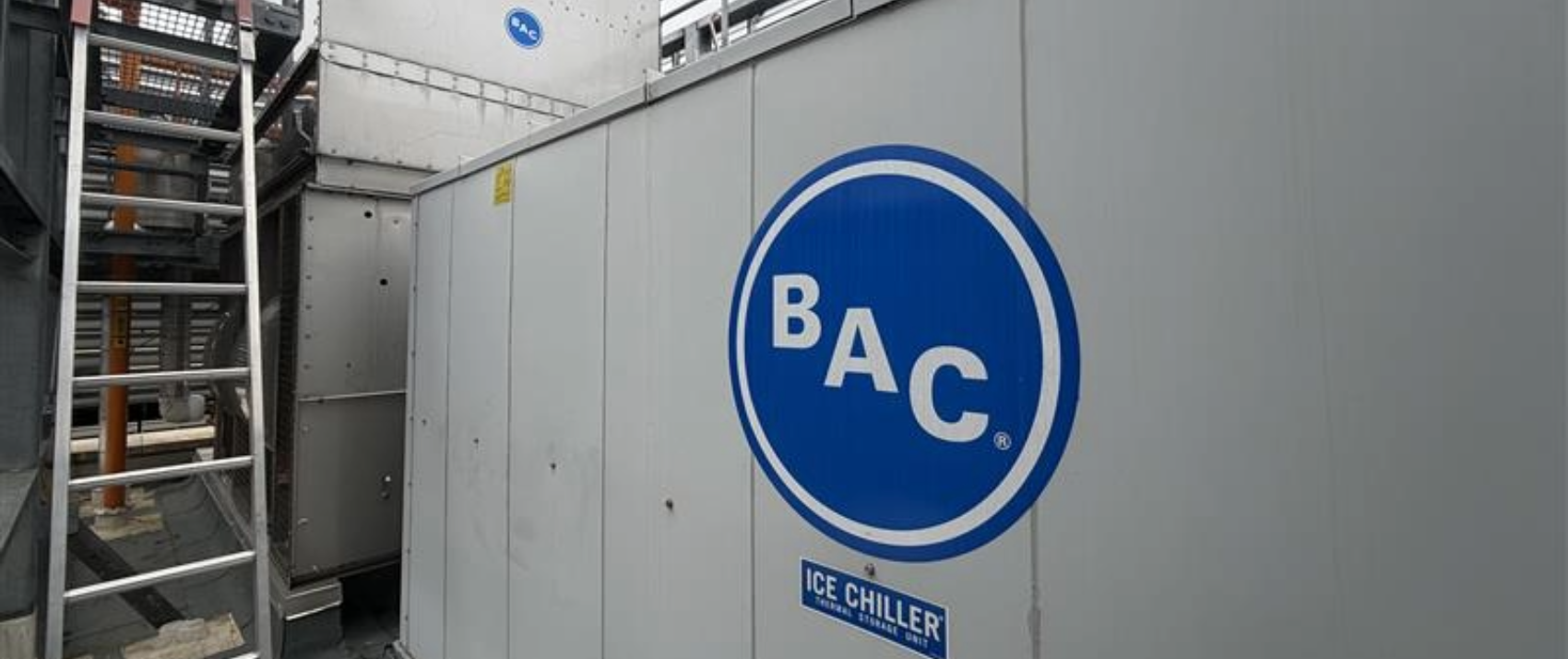
The Penn State Berkey Creamery implemented BAC’s ice thermal storage solution to reduce energy costs, maintain consistent process temperatures, and improve system reliability for its batch refrigeration operations. Paired with a new BAC VC1 evaporative condenser, this new system was installed in 2024 at Penn State’s main campus in State College, Pennsylvania. The system delivers measurable electric savings while ensuring uninterrupted cooling for critical ice cream production processes.
By leveraging lower off-peak electricity rates to store thermal energy for use during peak demand hours, the creamery achieved a more efficient, resilient, and flexible refrigeration system, tailored specifically to its unique operational needs.
Background
Founded in 1865, the Penn State Berkey Creamery is the largest creamery run by a university in the United States and has long been an integral part of Penn State’s Food Science program. Now operating out of the Food Science Building constructed in 2006, the facility produces ice cream and dairy products using batch processes that require precise and reliable cooling. By 2024, the creamery was operating with an existing ice thermal storage unit and evaporative condenser that were at the age of planned replacement, creating an opportunity to modernize the system.
The creamery experiences high peak refrigeration loads during batch production periods, followed by off-peak periods, making it an ideal candidate for ice thermal storage.
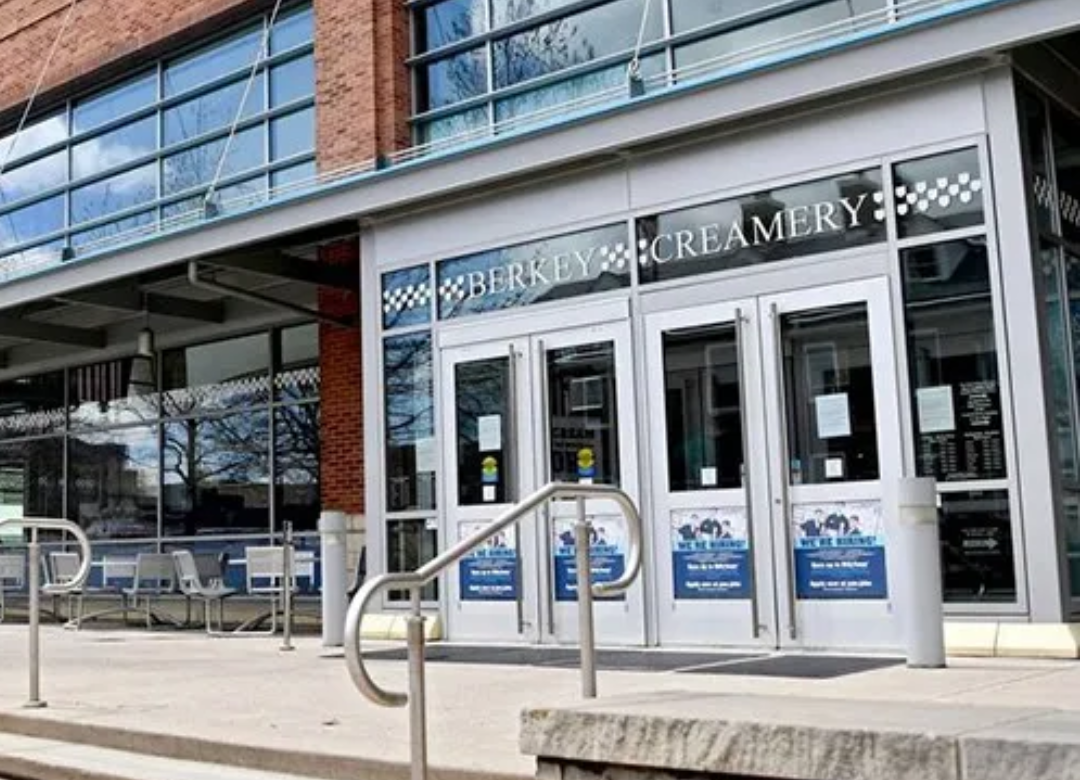
BAC’s local representative, Brendan McNamara from IRESCO said, “Penn State used the original installation in 2006 as an opportunity to install an ice thermal storage unit, effectively eliminating an entire compressor and downsizing the refrigeration equipment in the engine room."
Rising utility costs and peak demand charges from the local utility further reinforced the need for a solution that could reduce electrical demand without compromising product quality or uptime.

Penn State sought a modernized system for their creamery that could:
- Handle peak energy demands efficiently
- Maintain a constant low temperature supply for food processing
- Integrate seamlessly with existing ammonia refrigeration infrastructure
- Provide operational redundancy in the event of power interruptions
Solution
Penn State Berkey Creamery selected DeVault as the contractor to lead the project, with Justin Stone, the Regional Service Manager. Based on DeVault’s experience and the specific needs of the facility, Justin engaged with trusted local BAC representative, Brendan McNamara, to support the design of the replacement systems. Drawing on BAC’s more than 85 years of experience and thousands of ice thermal storage installations worldwide, the project team collaborated closely to develop a solution that delivered the proven reliability and performance required for this application. DeVault, IRESCO, and BAC worked in close coordination throughout system selection, design, and installation.
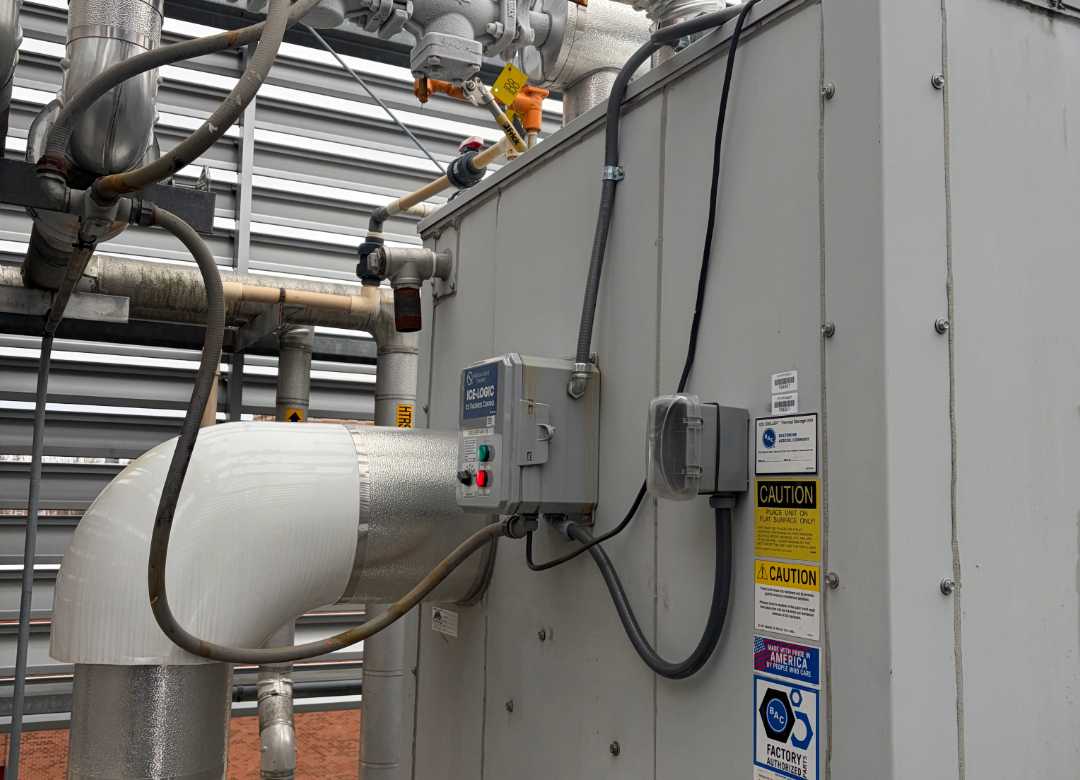
The installed solution features BAC’s ice thermal storage unit, model TSU-235E, designed for external melt operation and ideal for batch refrigeration processes requiring a constant low supply temperature. This was in part selected due to the use of ammonia, already employed elsewhere in the creamery. BAC’s TSU offered superior thermal conductivity, faster ice formation, colder melt-out temperatures, compact design, and overall improved energy efficiency compared to alternative plastic or glycol based storage systems.
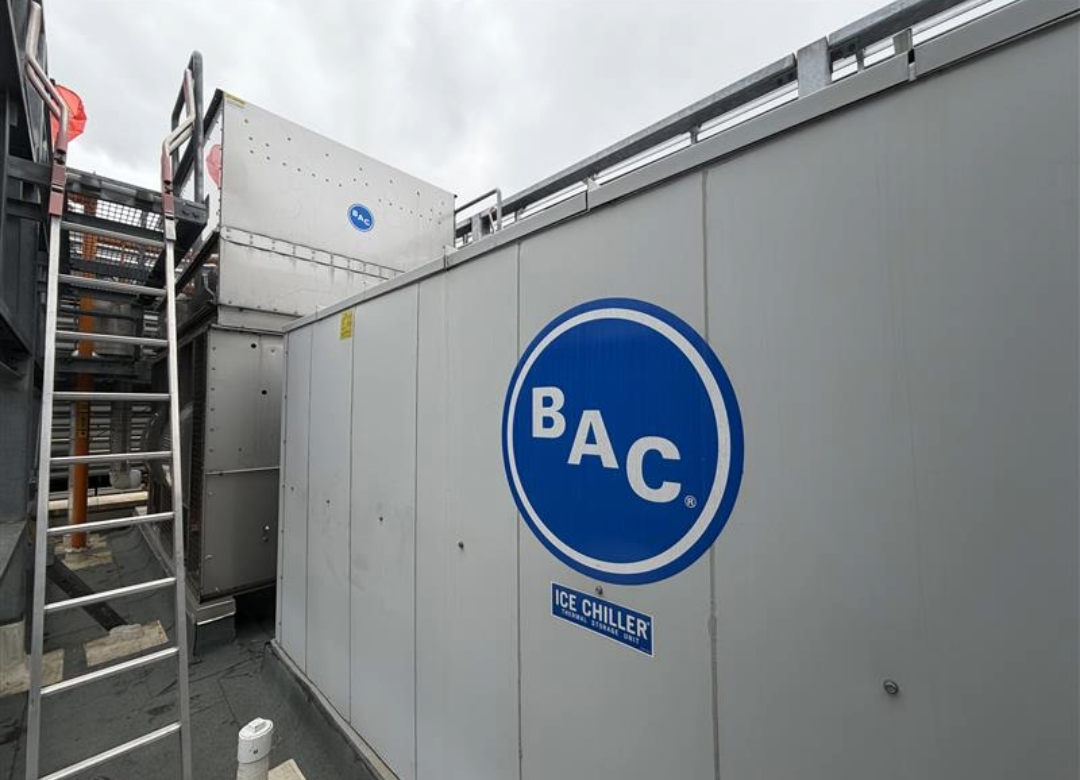
Key system details include:
- Cooling capacity: 214 ton-hours (753 kWh)
- Ice storage capacity: 17,826 lbs. of ice
- Refrigerant: Pump-recirculated ammonia (18.1°F)
- Ice build time: Approximately 12 hours during off-peak periods
- Installation location: Rooftop mounted for layout flexibility
- Application: The system uses ammonia to build ice around the stainless steel coils, then melts the ice using warm process water to produce 34°F “sweet water” to cool the ice cream mix tank jacket during pasteurization and production
“BAC’s TSU ice thermal storage solution made sense for this application because it checked all the boxes. It fit the available space, integrated well with the existing ammonia system, and gave Penn State a reliable way to manage peak loads without adding unnecessary equipment. From an installation and performance standpoint, it was a smart, efficient choice for the creamery.”
Justin Stone, Regional Service Manager, DeVault
Customer Needs and Expectations
Reduced Energy Costs
By shifting ice production to off-peak and super off-peak utility periods, Penn State was able to eliminate a compressor, reduce the refrigerant equipment size, and significantly reduce electrical demand charges, achieving up to 58% reduction in electric costs and approximately $574 in weekly savings, while supplying a constant supply temperature.
By having a constant supply temperature, external melt technology provides a consistent 34°F supply temperature, critical for maintaining ice cream quality and repeatable batch processing.
Reliability and Redundancy
BAC’s ice thermal storage system allows the Penn State Berkey Creamery to store cooling capacity when electricity is available and deploy it later when it is most needed. By capturing energy during off-peak hours, the system provides built-in backup and operational flexibility for critical refrigeration processes.
Designed for long-term durability, the system features stainless steel ice coils, a stainless steel inner tank, and Baltibond® hybrid coating exterior panels to deliver maximum corrosion resistance in a demanding food processing environment.
Even in the event of a power outage or peak load event, the stored ice enables the creamery to continue cooling production processes throughout the day, protecting uptime and preventing product loss. This added layer of redundancy gives operators confidence that critical refrigeration demands can be met regardless of utility interruptions or demand constraints.
Layout Flexibility
The compact design requires less space than alternative ice storage technologies, allowing the external melt unit to be installed on the roof rather than buried underground. This simplified installation, minimized site disruption, and maximized usable space within the facility. In addition, incorporating ice thermal storage eliminated the need for a dedicated chiller, further reducing equipment footprint while delivering substantial energy savings. The result is a flexible, space efficient solution well suited to retrofit and space constrained refrigeration applications.
Conclusion
The Penn State Berkey Creamery’s new BAC Ice Thermal Storage system demonstrates how industrial refrigeration users, particularly creameries and batch food processors, can significantly reduce energy costs and equipment costs while improving operational resilience.
By combining off-peak energy usage, ammonia-based ice production, and BAC’s durable external melt technology, the creamery now benefits from lower operating costs, reliable and consistent cooling performance, reduced dependence on oversized chillers, and improved flexibility for future production needs.
This project highlights the value of ice thermal storage as a practical, proven solution for refrigeration applications with fluctuating loads, and reinforces BAC’s role as a trusted partner in delivering reliable and efficient equipment with technical expertise.

